



Bachelor of Engineering
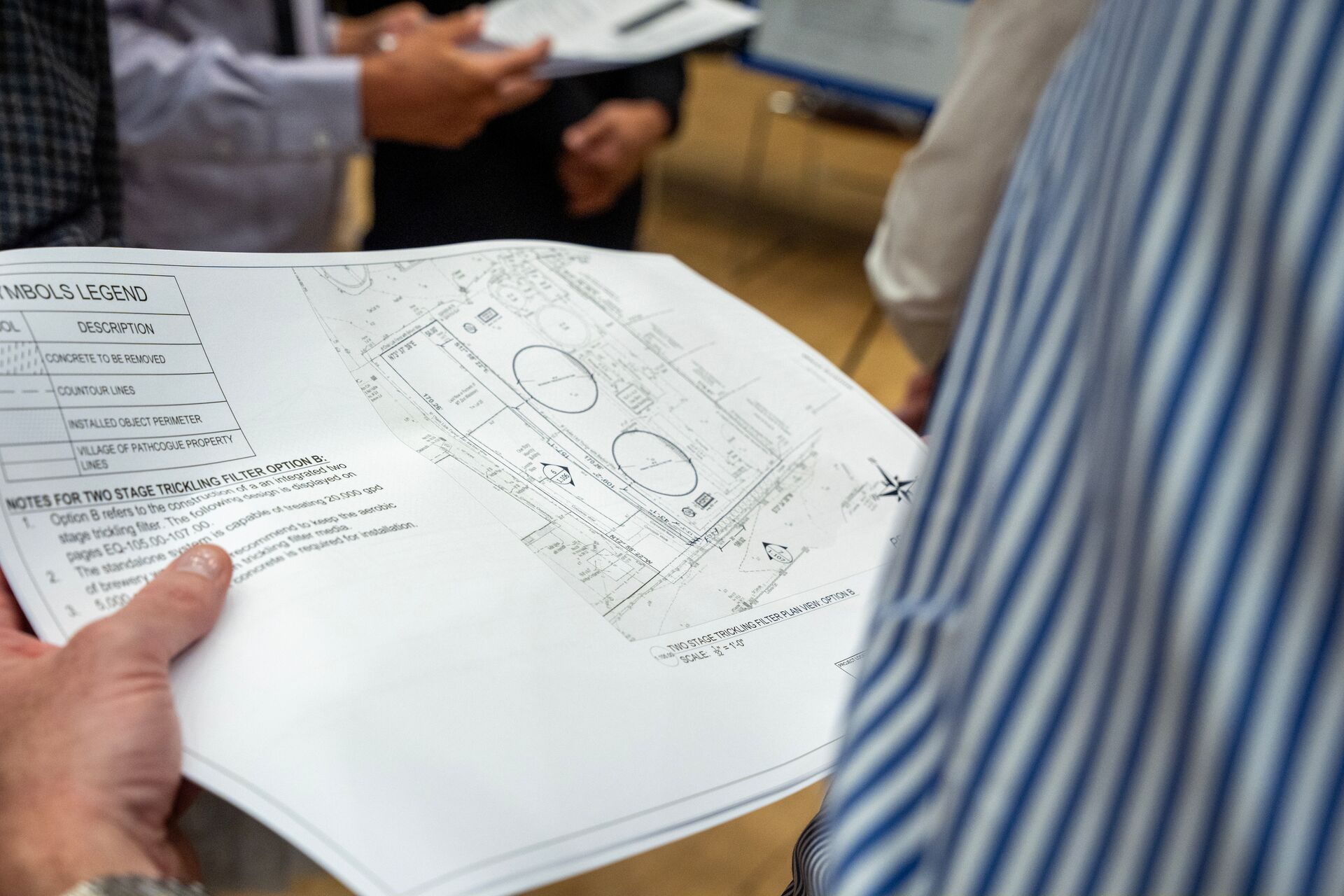
The Bachelor of Engineering in Civil Engineering at Stony Brook University is designed for students seeking to become licensed professional engineers and leaders in the design and maintenance of the built environment. This ABET-accredited program is tailored for individuals who want to solve complex societal challenges by balancing technical expertise in structures, transportation, water resources, and geotechnics with a commitment to environmental sustainability and economic consciousness. It is ideal for career-focused students aiming for immediate entry into the global workforce—including roles in both public agencies and private firms—as well as those intending to pursue advanced research and graduate studies in engineering. Through a curriculum that emphasizes public health, safety, and modern resiliency, the program prepares socially-responsible graduates to manage the life cycle of critical infrastructure while making a positive impact on global and local communities.
Key Benefits
Professional Advantages
The ABET-accredited program provides the comprehensive technical foundation in structural, environmental, and geotechnical engineering required for Professional Engineering (PE) licensure and high-earning careers in the global infrastructure sector.
Educational Experience
Students gain hands-on proficiency in industry-standard software and specialized laboratories—covering materials, geotechnics, and hydraulics—to master the "whole-project" approach of balancing technical design with sustainability and economic constraints.
Strategic Location and Value
As a prestigious AAU and flagship SUNY institution, Stony Brook offers an affordable, top-tier engineering education with direct proximity to New York City’s massive infrastructure hub for premier internship and career opportunities.
Requirements
Total Credits Required: Approximately 112 Credits
Format: Full-time, On-campus
Accreditation: ABET-Accredited
To earn the Bachelor of Engineering (B.E.) in Civil Engineering at Stony Brook, students must complete a rigorous curriculum divided into foundational sciences, core engineering principles, and professional design projects.
Mathematics and Natural Sciences
A strong analytical foundation is established through high-level calculus and lab-based sciences.
-
Mathematics: 5 courses including Calculus I–IV (AMS 151, 161, 261, 361) and Survey of Probability and Statistics (AMS 310).
-
Physics: Classical Physics I & II with corresponding Laboratories (PHY 131/133 & PHY 132/134).
-
Chemistry: General Chemistry I & II with Laboratories (CHE 131/133 & CHE 132/134).
-
Basic Science Elective: One elective chosen from Earth Science, Oceanography, Biology, or Climate Change.
Core Civil Engineering Infrastructure
Students master the essential disciplines of the civil engineering profession.
-
Systems & Analysis: Introduction to Civil Engineering, Transportation Systems, and Numerical Analysis.
-
Technical Skills: AutoCAD Basics and Land Surveying.
-
Core Mechanics: Fluid Mechanics, Geotechnical Engineering, and Hydraulics.
-
Management: Construction Engineering, Management, and Technology.
Mechanical Engineering Foundations
Shared engineering principles that provide the physical basis for infrastructure design.
-
Computing: Engineering Computing and Problem Solving.
-
Statics & Dynamics: Engineering Statics and Engineering Dynamics.
-
Solid Mechanics: Mechanics of Solids.
Hands-on Laboratories
Practical application of theory in state-of-the-art lab environments.
-
CIV 340: Civil Engineering Materials Laboratory
-
CIV 341: Geotechnical Engineering Laboratory
-
CIV 342: Civil Engineering Hydraulics Laboratory
Professional Engineering Design
The "capstone" of the degree, where students apply their knowledge to real-world projects.
-
Structural Design: Steel and Reinforced Concrete Design I.
-
Senior Design Sequence: A two-semester immersive project (Senior Design I & II) where students design a comprehensive engineering solution from concept to final report.
Professionalism and Ethics
Preparing students for the social and economic responsibilities of the field.
-
Communication: Technical Communication (CIV 300).
-
Economics: Engineering Economics (EST 392).
-
Ethics: Engineering Ethics and Societal Impact (ESE 301).
Technical Electives
Students must complete 12 credits of technical electives to specialize in areas such as:
-
Coastal Engineering Planning and Design
-
Advanced Construction Materials
-
Matrix Structural Analysis
-
Principles of Foundation Engineering
Academic Standards
-
Letter Grades: All required courses must be taken for a letter grade.
-
Minimum GPA: A cumulative G.P.A. of 2.00 or higher is required in all major-specific courses.
-
C-Grade Requirement: A grade of "C" or higher is required in specific foundational courses (including Calculus, Physics, Statics, Dynamics, and Senior Design) to progress in the major.